-black-1-1.svg)
Your new product is ready to hit the market, and the goal is to create buzz, drive conversions, manage campaigns, and track performance metrics.
The problem right now is that you rely on manual processes using spreadsheets, email reminders, and to-do lists.
This has made it difficult to manage launches across multiple channels, teams, and timelines, or even scale the process.
Product launch software reduces operational chaos, improves execution, and generates traction through automation, referrals, and audience engagement.
Here’s a comparison table featuring 12 of the best product launch tools with their key features and pricing:
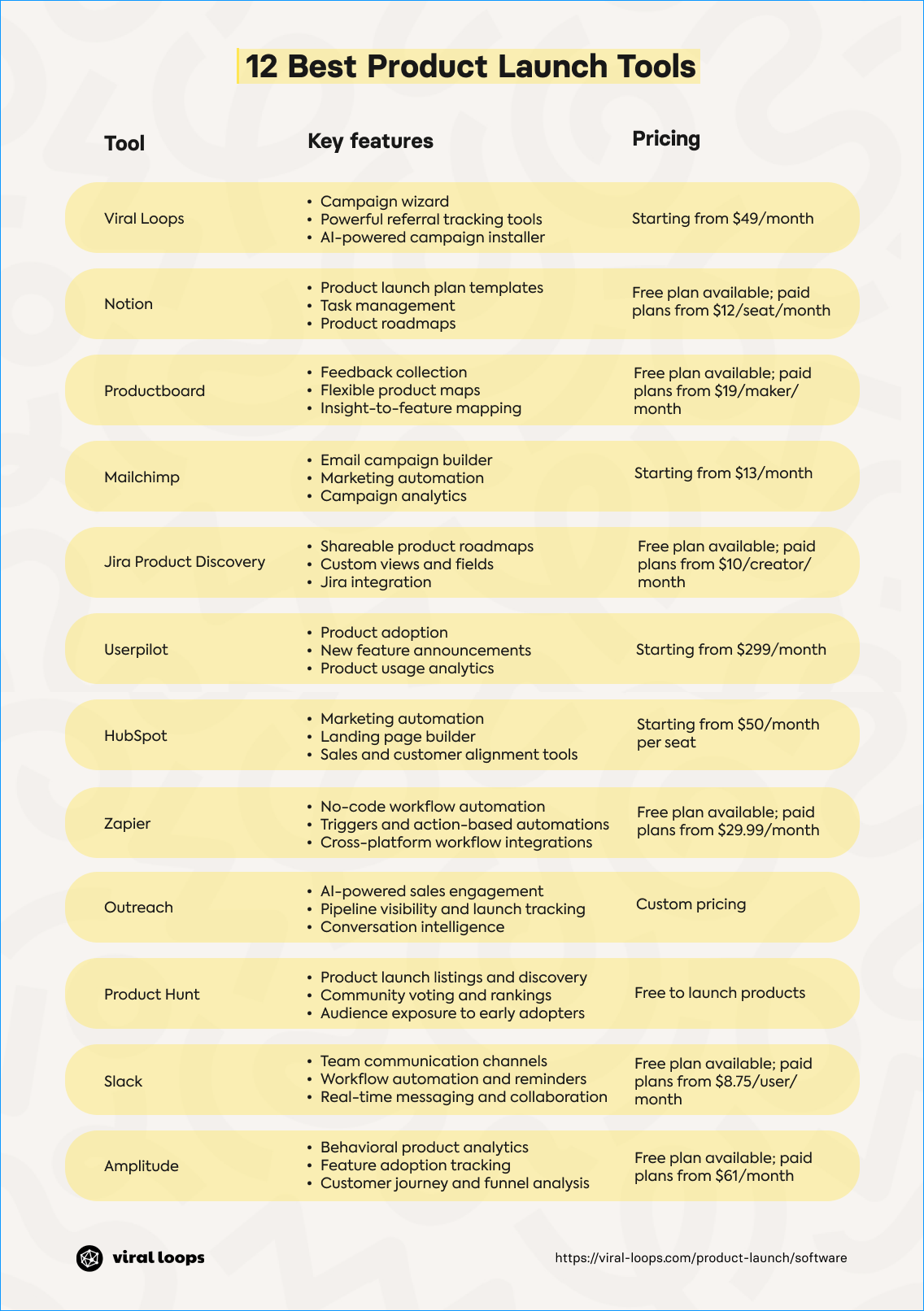
Disclosure: This guide incorporates Viral Loops, our organic growth and referral platform. It reflects our interpretation of the market and user reviews. Please note that it does not represent independent editorial research.
Effective product launch tools guide users through the entire launch lifecycle, from awareness and market research to product roadmaps and asset creation.
For this list, we focused on software that helps reduce operational friction while improving launch visibility, collaboration, and growth.
Each tool was reviewed based on the following criteria:
Viral Loops is a referral marketing platform that can help turn early product interest into organic growth.
At a time when word-of-mouth can be the turning point in a product’s success, we built Viral Loops to help brands leverage this marketing strategy to build awareness, drive conversions, and, quite literally, go viral.
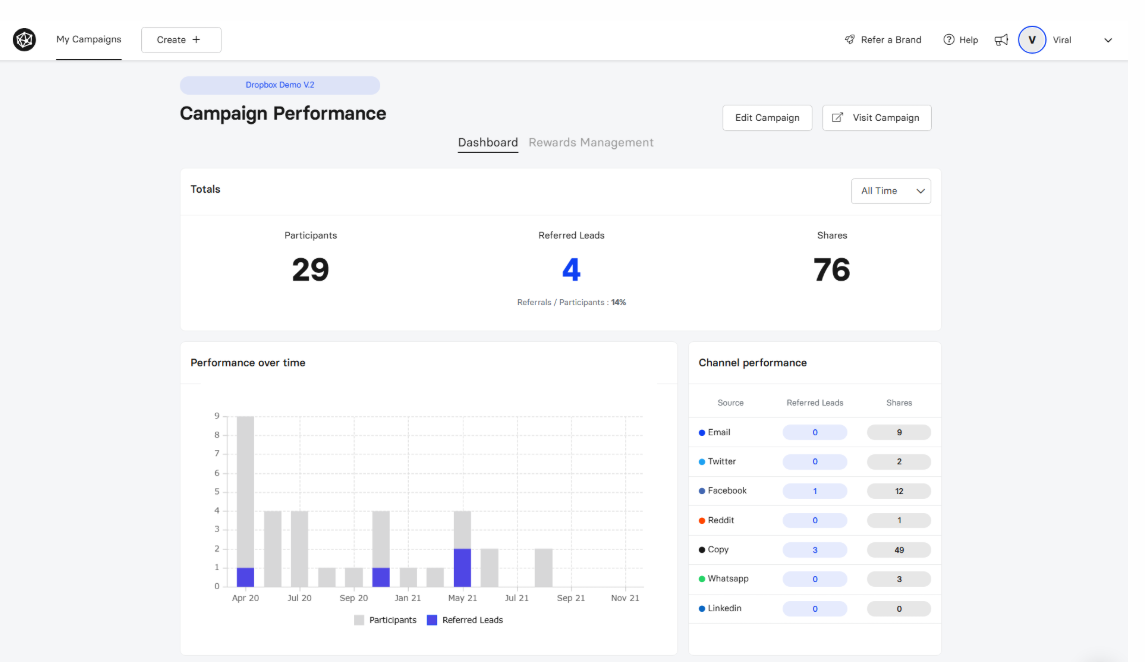
Here’s how we help with product launch:
Waitlists that grow organically: We have a pre-launch template to generate buzz before a product goes live. Interested users can join the list and move up in the reward queue by referring friends. They’re rewarded with exclusive perks or early access.
Customizable landing pages or widgets: Build a dedicated product page to explain what you’re building and motivate readers to join the waitlist, sign up, or refer others. With widgets, you can embed the referral experience into an existing website, ensuring fast campaign deployment.
Gamified momentum: Imagine how viral a product launch can go when interested users are encouraged to compete for access or rewards. Viral Loops supports gamified referral experiences that encourage participants to invite others, helping create momentum around your launch.
Key features:
Pricing:
Viral Loops offers multiple plans that depend on your business size and the number of campaign participants:
Integrations:
Viral Loops integrates with HubSpot to connect marketing data; Tremendous and Stripe to reward customers with prepaid cards or e-gifts; Mailchimp to grow your email list; Customer.io to drive conversions through automated communication workflows; Google Analytics to measure ROI; and Zapier to connect your campaign with 500+ integrations.
Pros:
We went through Capterra to find out what people think of Viral Loops. Here’s what they said:
Cons:
Users have also experienced some drawbacks:
Best for:
See what Peter Nowak, founder and CEO of Donut, had to say about Viral Loops:
“Our #1 source of subscriber growth has been through word of mouth and referrals, and Viral Loops has been crucial for tracking and attributing rewards as we’ve scaled from zero to tens of thousands of subscribers.”
Notion is a collaborative, all-in-one workplace where teams can automate processes. It can serve as a centralized space to manage the different phases of a new product, from planning to building and launch.
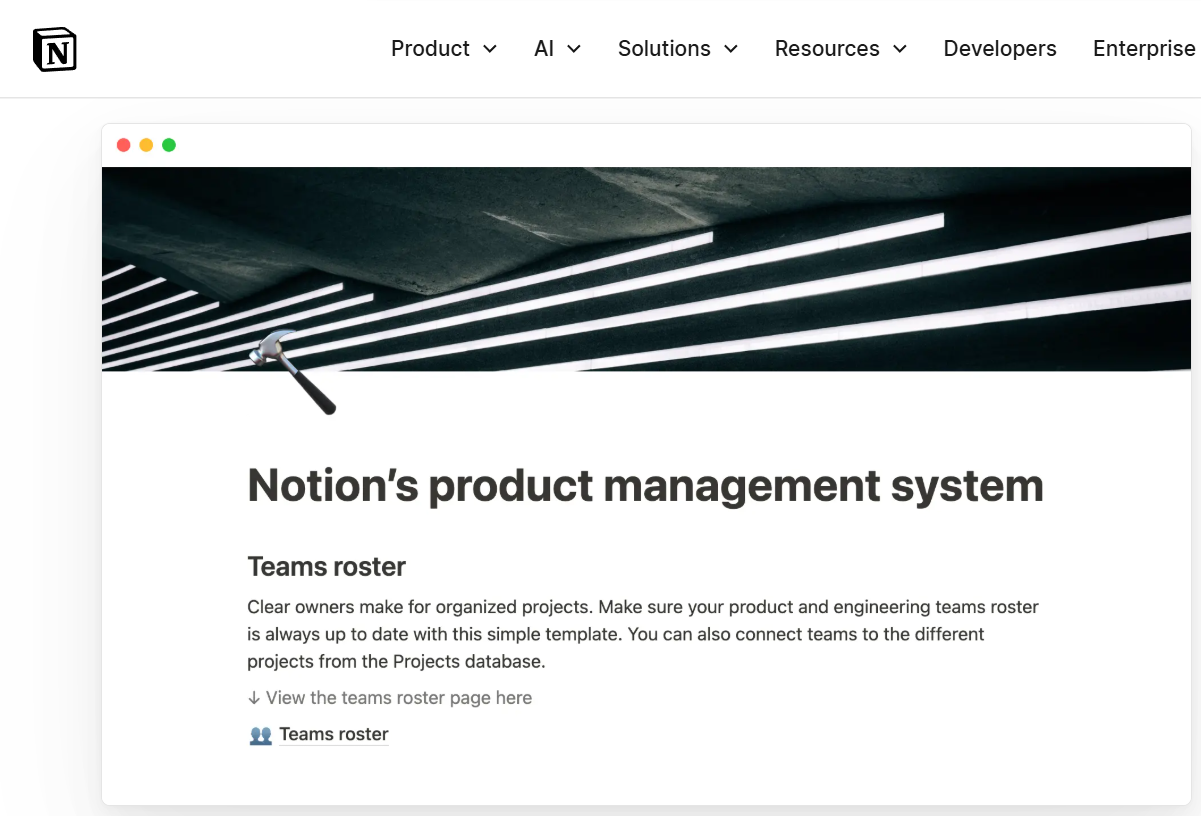
You can create dedicated launch hubs and internal wikis for FAQs, enabling teams to collaborate in real time and build announcement pages and campaign deliverables.
Notion also offers a library of product launch templates that include milestones, metrics, timelines, and ownership tracking, to keep everyone aligned from planning to release.
Key features:
Pricing:
Integrations:
Notion integrates with Figma, Typeform, Stripe, GitHub, and Zapier, and it has a public API for custom automations.
Pros:
Here’s what G2 users have to say about Notion:
Cons:
Users have, however, noticed these drawbacks:
Best for:
Productboard is product management software that ensures you launch product features customers want by synthesizing client feedback at scale.
Its key strength lies in product prioritization, customer feedback, and roadmap alignment.
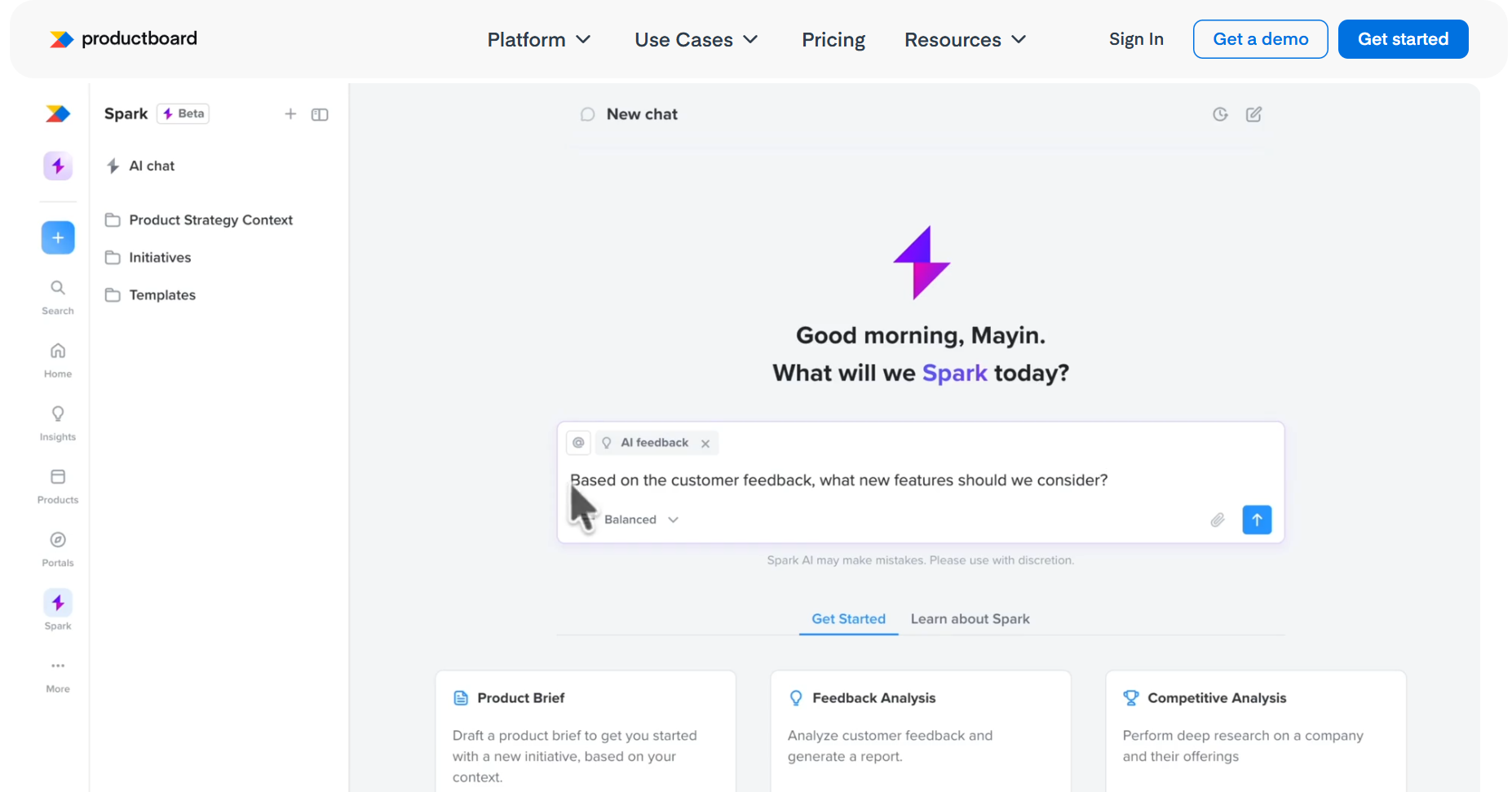
Productboard supports launch planning through flexible roadmaps that communicate what shipping is, why it matters, and how it aligns with business goals. Teams can use shared roadmaps to stay aligned throughout the launch cycle, especially for organizations managing multiple products or complex releases.
Key features:
Pricing:
Integrations:
Productboard lets you connect with Salesforce, Slack, Zendesk, Gainsight, Figma, Miro, Mixpanel, Amplitude, and Jira.
Pros:
Here’s what users on G2 think of Productboard:
Cons:
Users don’t appreciate these drawbacks:
Best for:
Mailchimp supports product launch by helping brands build awareness, nurture interest, and drive conversions through email marketing campaigns.
It's especially effective for go-to-market executions, where consistent communication can influence conversion and product launch performance.
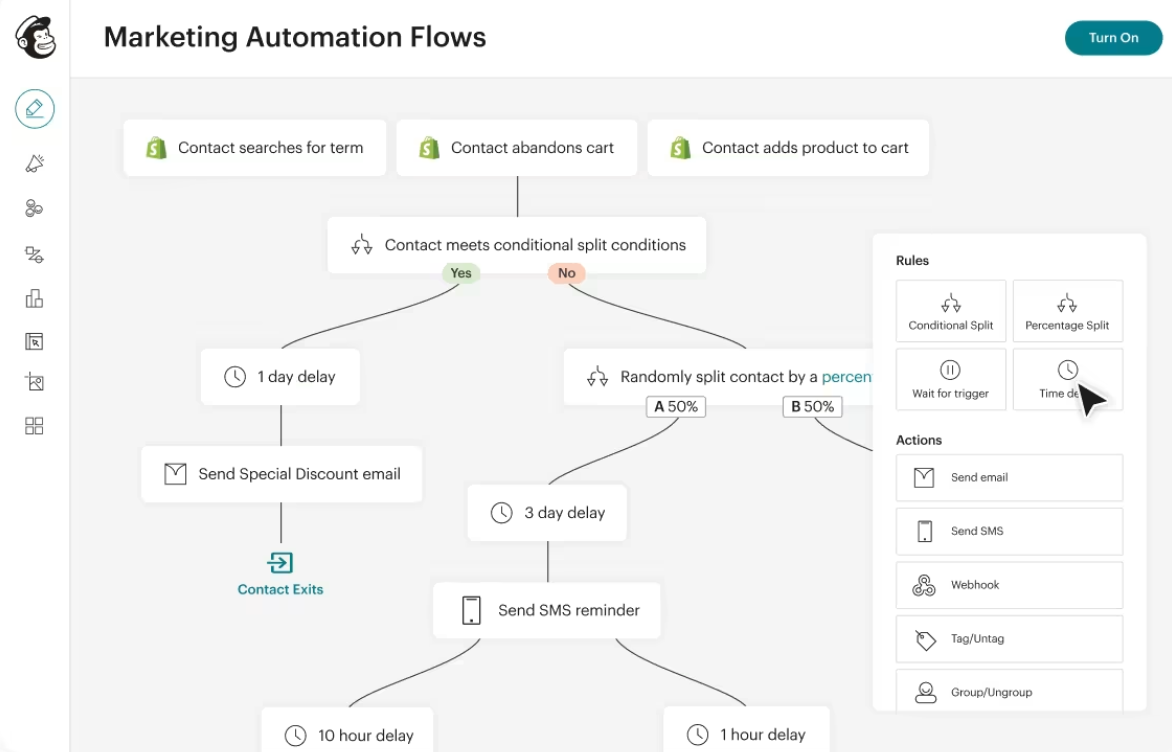
Mailchimp lets you announce upcoming products via email, segment audiences, automate launch sequences, and send personalized campaigns.
You can even launch retargeting campaigns to engage prospects who didn’t convert initially.
Key features:
Pricing:
Integrations:
Mailchimp integrates with over 300 apps, including Zapier, Canva, Salesforce, Stripe, Facebook, LinkedIn, Square, Gravity Forms, and more.
Pros:
Take a look at some of the reviews on G2:
Cons:
Best for:
Jira Product Discovery gives product teams an organized way to capture ideas, prioritize opportunities, and connect planning to execution.

It is similar to Productboard in helping teams determine what to build by consolidating feedback, requests, research insights, and product opportunities in a single location.
One way it differs is in its scoring framework, prioritization methods, and custom fields for evaluating ideal product launch options. This tool connects with Jira delivery workflows, bridging discovery and engineering execution.
Key features:
Pricing:
Integrations:
Jira integrates with tools within the Atlassian network and lets users embed links from third-party apps. It also has an API to build custom workflows and integrations.
Pros:
Here are some Jira Product Discovery positives from users on G2:
Cons:
Users don’t like the following:
Best for:
Userpilot improves the user experience of new product releases and features. It streamlines stages that determine how successful a product launch is long-term, such as product adoption, onboarding, and feature activation.
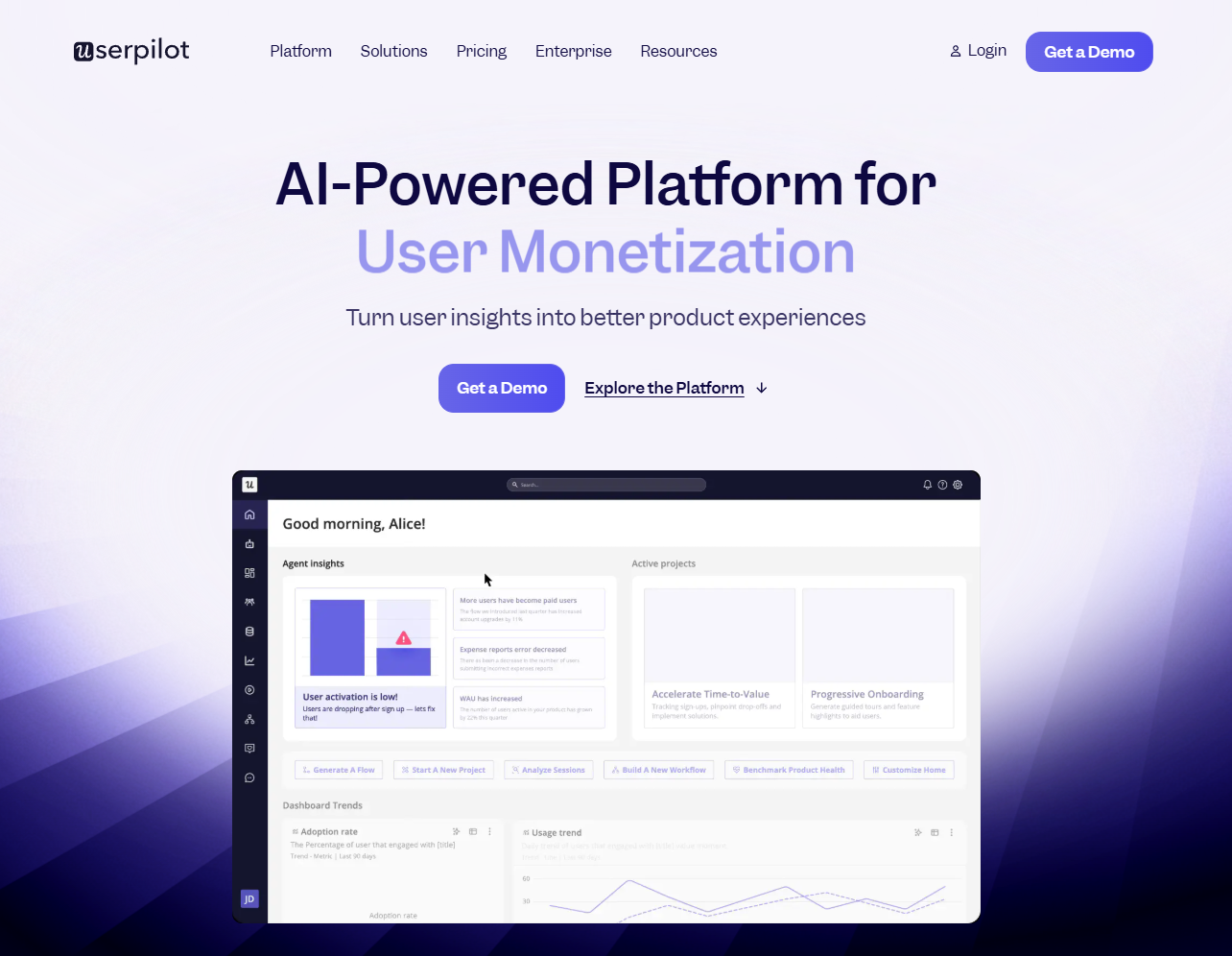
Userpilot lets users create in-app personalized product onboarding flows, walkthroughs, tooltips, announcements, and surveys.
You can monitor user engagement to understand how well new customers interact with releases.
Key features:
Pricing:
Integrations:
Userpilot integrates with Mixpanel, Slack, Intercom, Heap, Amplitude, Salesforce, HubSpot, and Data Warehouse Sync, and provides an HTTP API to enable client-server communication.
Pros:
Userpilot has a mix of positive and negative reviews from users on G2.
Cons:
Here’s what some users don’t like about Userpilot:
Best for:
HubSpot helps with product launches by providing tools for marketing, sales, customer service, tracking, and automation.
It handles go-to-market strategy, enabling businesses to coordinate product launch campaigns through emails, landing pages, paid ads, and lead-nurturing workflows.

HubSpot offers product launch plan templates to help teams organize the various moving parts of a campaign. The tool supports building awareness before product launch, lead capturing, and client engagement after launch.
Key features:
Pricing:
HubSpot offers multiple plans with varying pricing tiers, starting at $50 per seat per month.
Integrations:
HubSpot integrates with over 1,500 apps, including Slack, Salesforce, Shopify, Zapier, Stripe, Zoom, Mailchimp, LinkedIn, Eventbrite, WordPress, and Google Ads.
Pros:
See positive reviews from users on G2:
Cons:
Here are some drawbacks to note:
Best for:
Zapier is an application integration tool that helps with product launches by automating repetitive workflows across tools your team already uses.
Instead of managing different tools separately for client data, signups, analytics, support tickets, and marketing campaigns, Zapier enables teams to connect them all together.
Its main strength is operational efficiency. You get to build custom integrations for unique workflows.
Key features:
Pricing:
Zapier’s pricing depends on the number of tasks to be completed each month. It offers:
Integrations:
Zapier integrates with over 7,000 online apps, enabling you to connect many of the tools in your tech stack.
Pros:
Here’s a list of pros from G2 users.
Cons:
Here are aspects they don’t like:
Best for:
Outreach is an agentic AI platform for revenue teams. It supports product launch processes by helping businesses build AI workflows to streamline different launch stages, including conversion or reengagement.
Outreach helps teams automate outreach, prospect communication, follow-ups, and engagement monitoring, all by starting a conversation with its AI tool. You also get visibility into pipeline activity and product performance, so you know if the launch is successful.
Key features:
Pricing:
Outreach offers three plans, available on demand, that are based on your team size, number of AI workflows needed, and level of platform capabilities required:
Integrations:
Outreach integrates with Salesforce, HubSpot, Slack, LinkedIn Sales Navigator, Zoom, Gong, Microsoft Dynamics, Marketo, Gmail, and other sales and CRM platforms.
Pros:
Here’s what people like about this product launch tool:
Cons:
Here are aspects users don’t really like:
Best for:
Product Hunt is a product discovery channel where startups and tech companies can showcase new products to a target audience constantly looking for what’s next.
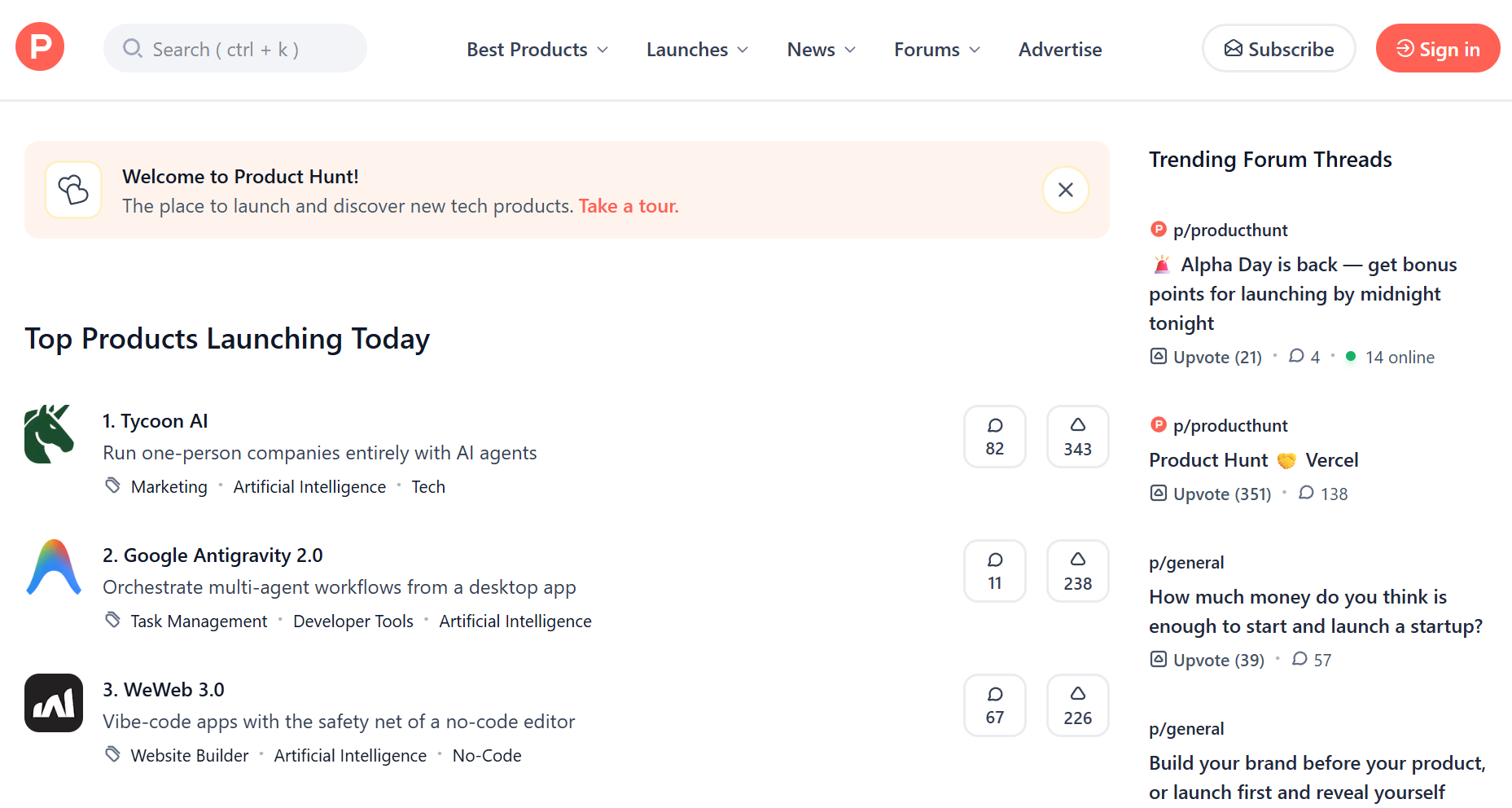
Product Hunt’s strength is launch visibility and early traction. Teams can publish new products, get upvotes as people engage, collect feedback, answer questions, and build awareness among investors, journalists, creators, and early adopters.
Key features:
Pricing:
Launching products on this platform is free. You only pay if you choose to run targeted ads.
Integrations:
Product Hunt integrates with tools such as Slack, Zapier, GitHub, and startup ecosystems through APIs, automation tools, and embedded sharing workflows.
Pros:
Here is user feedback about Product Hunt as shared on G2.
Cons:
Users noted the following negative feedback.
Best for:
Slack is a work and productivity tools platform. It supports product launches by improving communication, coordination, and decision-making across teams.
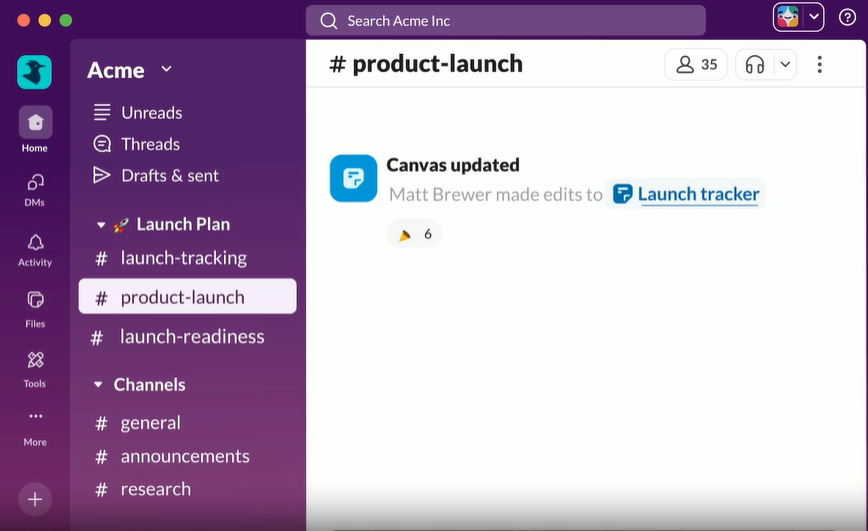
Teams can centralize conversations through channels, direct messaging, notifications, and integrations.
Another way Slack helps with product launches is through public marketing or niche groups, where teams can share launch updates to an existing audience.
Key features:
Pricing:
Integrations:
Slack integrates with thousands of apps, including Jira, Notion, Google Drive, HubSpot, Salesforce, GitHub, Zoom, Zapier, Asana, Trello, and Productboard.
Pros:
Users on Capterra have positive and negative feedback about this tool:
Cons:
Here’s what they don’t like about Slack:
Best for:
Amplitude is a measurement and analytics platform for digital tools. It measures how users interact with products post-launch, helping assess whether a launch is going as planned.
Amplitude also highlights how users interact with the product, helping identify friction points, improve adoption, and refine future releases based on behavioral data.
Key features:
Pricing:
Integrations:
Amplitude integrates with tools such as Segment, HubSpot, Salesforce, Snowflake, Slack, Zapier, Mixpanel, Braze, Google Analytics, Qualtrics, Userflow, and more.
Pros:
Here are Amplitude reviews from users on G2:
Cons:
Here’s what users think could be better:
Best for:
You don’t always have to break the bank to launch a product. There are tools that offer free plans or free trials to help plan product launches with ease.
Here are some of the best:
The best product management platforms help brands plan roadmaps, gauge and prioritize ideas, collect feedback, and oversee product development, from discovery through successful launch.
Here are some of the top product management tools:
Directories help new products get found, attract early subscribers, gather feedback, and build momentum around the launch.
The best launch directories to help put your product in front of people include:
Choosing a launch tool begins with knowing what part of the launch process you need help with: planning, marketing, or automation. Or all of those.
Then, follow the steps below:
When it comes to successful product launches, the right tool can be the difference between a product that goes under the radar and one that builds momentum.
The launches that generate buzz rarely happen by accident. They often start with an engaged audience and the right systems to amplify word-of-mouth before launch day.
That’s where we come in.
Viral Loops help businesses build momentum through referral-powered prelaunch waitlist campaigns, so you can grow an audience before your product goes live.
Book a free demo with Viral Loops to see how referral marketing can help you build buzz, grow your audience, and drive organic product growth before and after launch.

Written by:
Nikitas is responsible for growth at Viral Loops and also helps customers on 1-on-1 basis to reach success with their referral campaigns. Let's connect on LinkedIn
%401x.svg)